Obagi’s Expansion Into Injectables Is One of the Biggest Moves in Aesthetics Right Now
For decades, Obagi has been one of the most recognizable names in medical-grade skincare. Now, the company is making a major expansion into injectables, and the industry is paying attention.
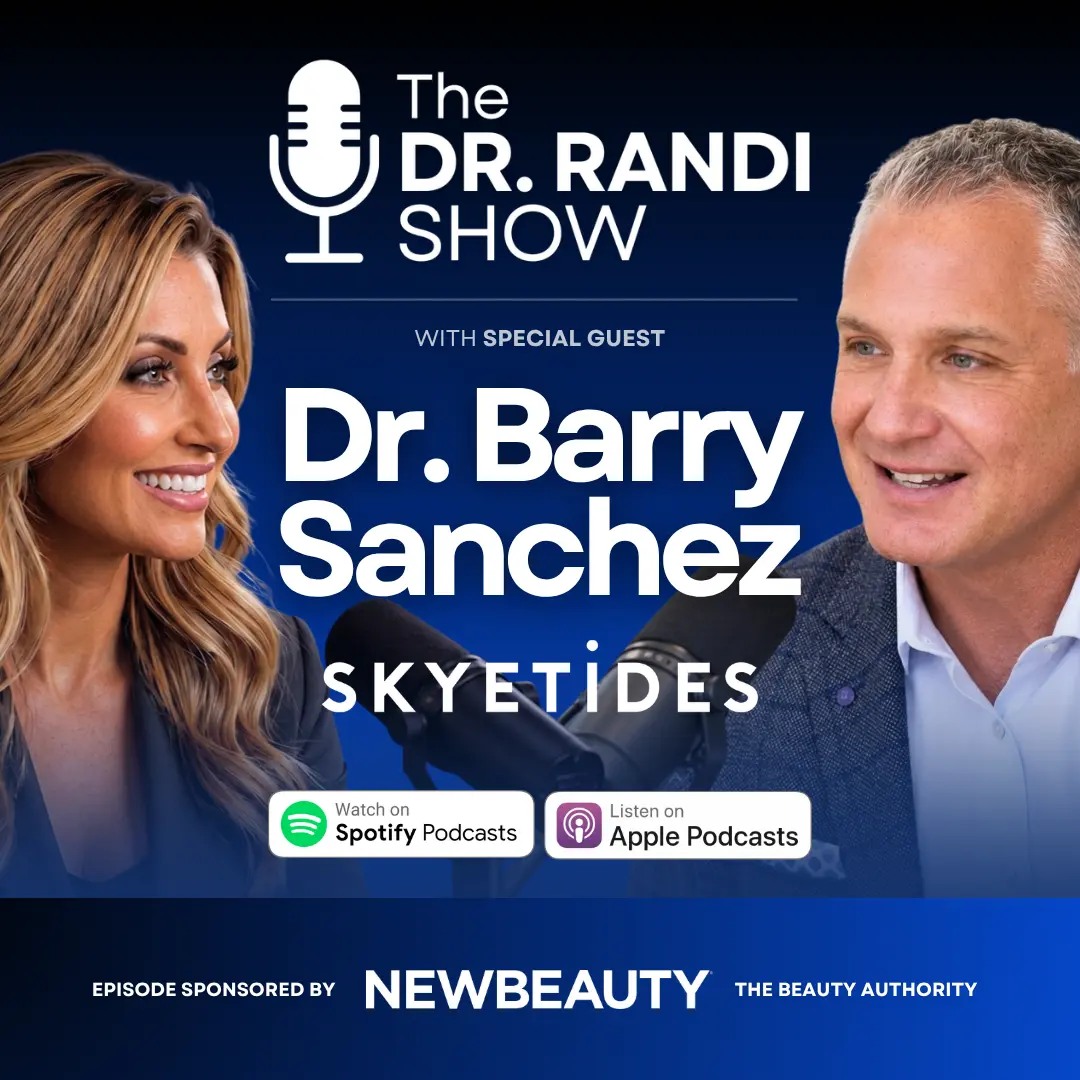
In this episode of The Dr. Randi Show, Dr. Randi sits down with Drew Fine of Obagi Medical for a conversation about the brand’s entry into HA fillers, the changing face of aesthetics, and why patients are demanding a dramatically different approach to aging than they were even a few years ago.
This conversation goes beyond products. It’s about where the industry is headed next.
Inside the episode:
• Why the era of overfilled faces is losing momentum
• Why skin quality has become the new luxury in aesthetics
• The real reason brands are racing toward longevity and regenerative beauty
• Why “undetectable” injectables are becoming the goal
• The skincare categories suddenly exploding in growth, including scalp health, lashes, brows, and NAD+ innovation
• Why the future of aesthetics may belong to brands that can connect skincare, injectables, wellness, and aging together
Drew also shares why Obagi believes this expansion marks the beginning of a much larger evolution for the brand and the industry overall.
Sponsored by NewBeauty 💄
📱 Listen and Watch on Spotify: https://spti.fi/4fQUyMM
🎧 Listen Now on Apple: https://dub.sh/48rFTfo
Episode FAQ
What is Obagi Medical launching in the injectables space?
In this episode of The Dr. Randi Show and its patient-experience segment The Beauty Scene, host Dr. Randi Boyette speaks with Drew Fine, who leads Obagi Medical, about the brand’s expansion from medical-grade skincare into injectables. Drew Fine explains that Obagi, a roughly 37-year-old brand sold in more than 80 countries, is now launching its first Obagi-branded hyaluronic acid dermal filler while continuing to release new skincare. He describes the goal as offering a more integrated approach to aesthetics that combines trusted skincare with injectables, rather than treating them as separate categories. This conversation reflects his personal perspective and experience and is not medical advice.
What is Obagi saypha MagIQ, and what kind of filler is it?
On The Dr. Randi Show, the guest describes Obagi saypha MagIQ as the brand’s first injectable, an Obagi-branded hyaluronic acid dermal filler. He notes it comes from Obagi’s European manufacturing partner, Croma-Pharma, and that the same product has been used internationally for more than eight years across roughly 80 countries before its recent US FDA approval. According to the guest, the appeal of putting a filler under the Obagi name is that practices and patients get the trust and equity of an established medical brand across both skincare and injectables, which makes integrated protocols easier to build. He shares that early feedback from Obagi’s initial rollout has been strong. This reflects the guest’s experience and company information and is not medical advice.
How do hyaluronic acid dermal fillers work, and what are they designed to do?
On The Dr. Randi Show, the guest explains that hyaluronic acid dermal fillers are based on a naturally occurring sugar found in the body, modified so it can be injected to help restore volume. He describes how, as people age, they tend to lose facial volume as fat pads shrink, bone changes, and skin becomes more lax, and says HA fillers are designed to help replace some of that lost volume. He notes this category has existed in the United States for more than 20 years, with an estimated five to six million hyaluronic acid injections performed each year. The guest is careful to frame fillers as one component of a good aesthetic outcome rather than a complete solution, and says results tend to look most natural in the hands of skilled injectors. This is his personal perspective and general information, not medical advice.
Why is a medical-grade skincare brand like Obagi expanding into injectables now?
On The Dr. Randi Show, the guest explains that Obagi’s expansion into injectables reflects a broader convergence he sees across health, wellness, longevity, and aesthetics. He describes how great outcomes rarely come from a single product or treatment, and how a skincare brand moving into injectables lets the company think first about what a patient needs and then how to deliver an integrated result. In his view, this is a natural evolution driven by where the market and consumer demand are heading, following the growth the category saw coming out of the COVID pandemic. He frames the move as offering solutions and protocols rather than standalone products. These are the guest’s opinions and reflect his experience in the industry, not medical advice.
What is the benefit of combining skincare and injectables in one approach?
On The Dr. Randi Show, the guest shares his view that pairing quality skincare with injectables can produce better patient satisfaction than volume alone. He gives the example that he would rather a patient receive one or two syringes of filler alongside strong skincare than rely on many syringes, because healthy-looking skin combined with modest volume replacement tends to make people happier. He notes that Obagi is running clinical trials to formally evaluate what happens when its skincare and injectables are used together, consistent with the brand’s practice of supporting products with clinical data. He emphasizes that great results usually come from doing a little of several things rather than one treatment. This reflects the guest’s experience and the company’s plans, not medical advice.
How have aesthetic expectations and the natural look trend shifted in recent years?
On The Dr. Randi Show, the guest describes how aesthetic expectations have swung back toward a natural, understated look after a period when a more overdone or exaggerated appearance was common. Drawing on his time in the industry since 2014, he explains that trends move like a pendulum, but the durable direction is helping people age gracefully by addressing natural changes such as volume loss, texture, redness, and pigmentation. He credits patient education as a major driver, noting that people increasingly seek out trusted sources and clinical support rather than marketing claims. In injectables specifically, he sees the shift as moving away from a more-is-better mindset toward doing less and combining it with good skincare. These are the guest’s observations, not medical advice.
What new Obagi skincare products were featured in this episode?
On The Dr. Randi Show, the guest walks through several newer Obagi skincare products featured in the episode. These include Daily Hydro-Drops, which the host and the guest’s team describe as giving a dewy glow and working well under makeup; a cellular renewal serum built around NAD+ and related ingredients; a scalp serum for hair density; and lash and brow products the guest calls cult favorites. He also mentions a newly launched mineral-based sunscreen designed to avoid a white cast, and new lip products used as part of a morning and evening routine. He notes that Obagi has refreshed its packaging and restarted its innovation pipeline. These descriptions reflect the guest’s and the host’s personal impressions, not medical advice.
What is the Obagi cellular renewal serum, and how does NAD+ factor into it?
On The Dr. Randi Show, the guest describes the cellular renewal serum as one of Obagi’s newest launches and his personal favorite. He explains that it uses a proprietary age-control complex formulated with NAD+, NAD precursors, niacinamide, and NMN, positioned as a longevity product that supports cellular energy and works alongside other active ingredients. According to the guest, an extensive clinical test found that skin looked six years younger after 12 weeks of use. He shares that he uses it daily, sometimes as an aftershave, and suggests the results build over several weeks of consistent use. These claims reflect the company’s clinical testing as described by the guest and his personal experience, and are not medical advice or a guarantee of individual results.
Can an Obagi scalp serum help with hair thinning and shedding?
On The Dr. Randi Show, the guest discusses a new Obagi scalp serum aimed at supporting scalp health. He says the clinical study behind it showed the product could reduce shedding and increase hair density, with strong before-and-after results. He notes that scalp and hair concerns have become a popular topic, in part because some people experience hair loss related to GLP-1 weight-loss treatments, and that the scalp serum has been one of Obagi’s most popular products since its launch. The host adds that she appreciated its applicator and packaging. This reflects the guest’s account of the company’s clinical findings and is not medical advice or a promise of specific outcomes.
What is the main takeaway for someone considering skincare or aesthetic treatments?
On The Dr. Randi Show, the guest’s main takeaway is that products backed by science and used appropriately can deliver meaningful results for skin, confidence, and aging gracefully. Reflecting on a career that began in diabetes care at Eli Lilly before moving into aesthetics, he contrasts medicines people need with aesthetic products people genuinely want, and encourages consumers not to get lost in hype and ingredients but to focus on products that actually work. He points to Obagi’s long-standing loyal customers as evidence of that staying power. His broader message is that the best outcomes come from combining trusted products thoughtfully rather than chasing any single trend. This is the guest’s personal perspective, not medical advice.