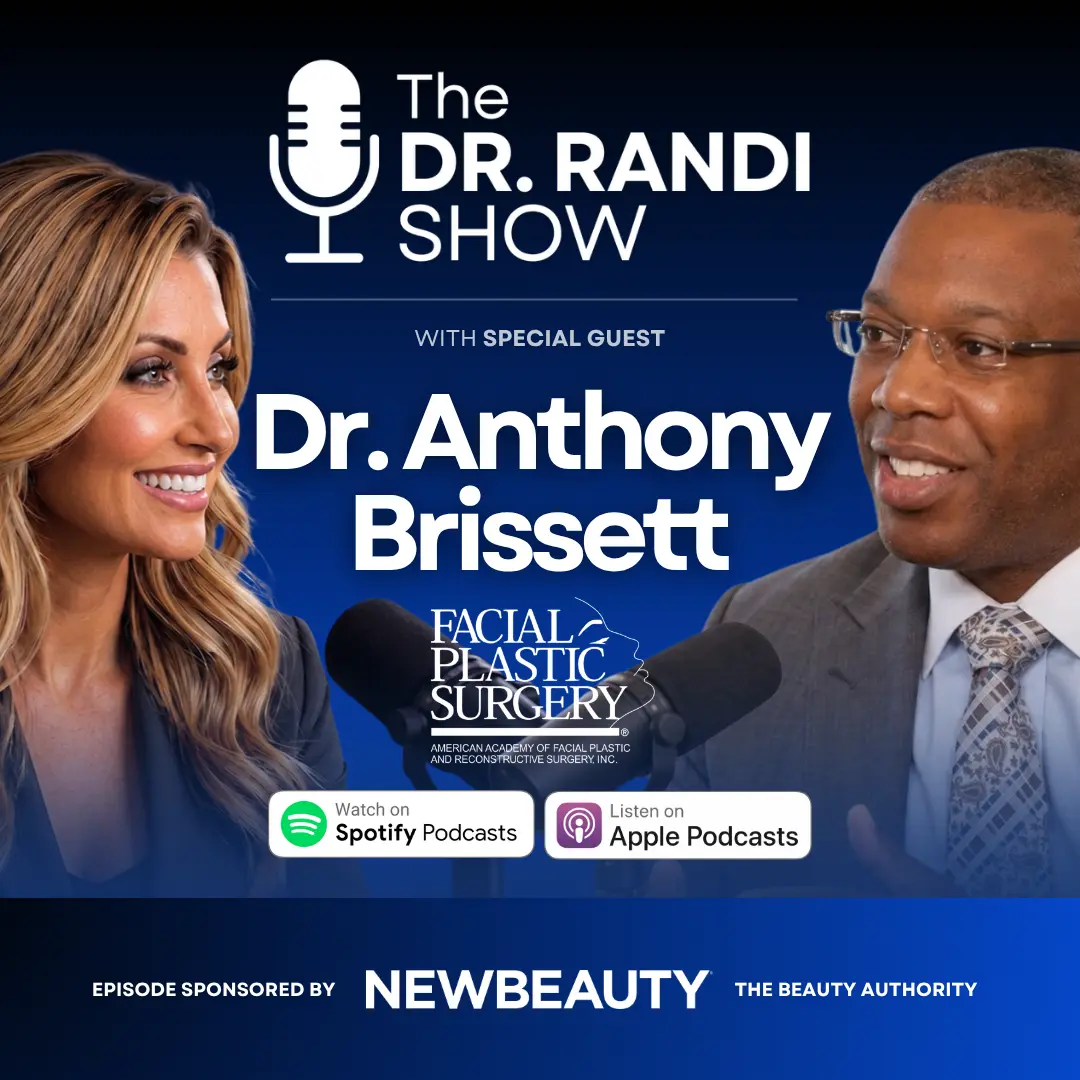
The aesthetics industry is evolving at an incredible pace, and few physicians have had a better view of that evolution than Dr. Sheila Barbarino.
In this episode of The Dr. Randi Show, Dr. Randi Boyette sits down with the renowned facial plastic and oculoplastic surgeon for an honest conversation about what’s changing in aesthetics and what both patients and providers need to understand as innovation continues to reshape the industry.
From surgery versus nonsurgical treatments and the growing influence of social media to emerging technologies, patient expectations, and the procedures dominating today’s conversations, Dr. Barbarino shares the perspective she’s developed after more than 20 years of helping patients achieve natural, lasting results.
Together, they discuss:
• Why nonsurgical treatments continue to advance but still have limitations
• When it’s time to consider a facelift and why surgery is never the end of the journey
• The truth about threads, filler fatigue, and overfilled faces
• What separates meaningful innovation from marketing hype
• Why blepharoplasty remains one of today’s most requested procedures
• How GLP-1 weight loss is changing facial surgery and fat transfer
The episode also introduces the Dr. Randi Show Expert Council, with Dr. Barbarino announced as one of its founding members. The Council brings together some of the most respected physicians in aesthetics to share their perspectives on the technologies, trends, and clinical decisions shaping the future of the specialty.
If you’ve followed Dr. Barbarino’s career, you’ll recognize the passion, honesty, and approach that have earned her the respect of both colleagues and patients. If this is your first introduction, you’ll quickly understand why she’s considered one of the leading voices in facial aesthetics today.
Sponsored by NewBeauty 💄
📱 Listen & Watch on Spotify: https://spti.fi/8CcVuCp
🎧 Listen on Apple Podcasts: https://dub.sh/K6OykTu
Episode FAQ
What is covered in this Dr. Randi Show episode on aesthetic innovation and surgery?
In this episode of The Dr. Randi Show, host Dr. Randi Boyette welcomes facial plastic and oculoplastic surgeon Dr. Sheila Barbarino, a founding member of the show’s new Expert Council. The conversation covers where aesthetic innovation is heading, how surgical and non-surgical treatments work together, how social media is shaping patient expectations, and what the guest looks for before bringing a new treatment or device into her practice. The perspectives shared reflect the guest’s own clinical experience and opinions.
Can non-surgical treatments replace surgery for facial aging?
In this episode of The Dr. Randi Show, the guest, Dr. Barbarino, shares that she sees a lasting place for both surgical and non-surgical care rather than one replacing the other. She describes strong patient demand for good results without the downtime, cost, or recovery time of surgery, which is why treatments such as bio-stimulators, neuromodulators, and lasers keep advancing. In her experience, surgery still gives the best results when it is the right choice, while non-surgical options can accomplish a great deal and are the preferred path for patients who never want an operation. She frames it as good, better, and best, with surgery at the top and non-surgical treatments filling an important role alongside it.
Is a facelift a one-time procedure, or does it need ongoing maintenance?
In this episode of The Dr. Randi Show, the guest, Dr. Barbarino, describes a common misconception that a facelift is a one and done procedure. She explains that in her practice she tells patients the clock starts ticking again the moment they leave the operating room, so results need to be maintained over time. To hold those results, she points to ongoing care such as bio-stimulation, neuromodulators, and laser treatments rather than treating surgery as the finish line.
How does a surgeon decide whether a new aesthetic device or treatment is worth using?
In this episode of The Dr. Randi Show, the guest, Dr. Barbarino, walks through the vetting process she uses before adopting new technology. She looks for clinical efficacy, including clinical trials, histology, before and after results, and FDA approvals, which she says protect both her and her patients. Beyond the data, she tries a treatment herself and delivers it to others to confirm she can reproduce the promised results in her own hands and get reliable, reproducible outcomes each time. She also notes she will not invest in technology she does not enjoy using or would not pay for herself, describing this as a rigorous process before anything reaches her clinic.
How have Instagram and TikTok changed patient expectations for aesthetic treatments?
In this episode of The Dr. Randi Show, the guest, Dr. Barbarino, shares that social media has pushed some patients toward unrealistic requests, such as asking to look like a filtered photo, while other patients arrive well informed and ready to move forward. She raises a concern about fear-mongering and false education online, and offers one example she considers a myth, saying that in her experience adding Sculptra to a face does not make a later facelift more difficult. She encourages a realistic perspective on filters and lighting, and cautions against letting online trends or myths drive treatment decisions.
Are thread lifts a passing trend or a lasting treatment?
In this episode of The Dr. Randi Show, the guest, Dr. Barbarino, pushes back on the idea that threads are a transient trend, noting that outside the United States they are a routine part of many practitioners’ repertoires. She describes threads as a bio-stimulator that lifts skin, working alongside rather than canceling out filler, and says most patients ultimately benefit from both. In her view, a combination of neurotoxin, filler, and threads, often paired with energy-based devices, can produce a strong non-surgical result, and she attributes much of the skepticism about threads to providers not being trained to use them correctly.
How are GLP-1 weight-loss medications affecting facial fat transfer?
In this episode of The Dr. Randi Show, the guest, Dr. Barbarino, shares that the rise of GLP-1 medications has made fat transfer more challenging in her practice. Because many patients have lost significant weight, she finds it harder to harvest a meaningful amount of fat for procedures like facelifts, where she often prefers fat transfer. She calls fat liquid gold and notes she now does less liposuction and fat transfer than before, while pointing out there are other options available when fat is scarce.
What are the risks of filler and eyelid surgery (blepharoplasty)?
In this episode of The Dr. Randi Show, the guest, Dr. Barbarino, describes the risk conversations she has with patients. She explains that, rarely, filler can cause a vascular occlusion, blindness, or stroke, and that surgical patients, especially with blepharoplasty (eyelid surgery), face a small chance of vision loss, which she says can relate to a burst blood vessel. She uses these conversations to help patients take procedures seriously and to encourage them to call the office right away if they notice significant bruising or pain. These points reflect her personal clinical approach and are not medical advice.
How can patients reduce bruising and downtime after aesthetic procedures?
In this episode of The Dr. Randi Show, the guest, Dr. Barbarino, shares several approaches she uses to minimize downtime, while noting recovery varies from patient to patient. She mentions icing before a procedure, having Arnica or tranexamic acid on board, and post-procedure tools such as red light, exosomes, and ALASTIN Skincare INhance Post-Injection Serum. She says the red lights in her office have changed recovery time, and she prefers to overestimate recovery rather than overpromise, telling patients a longer timeline so they are not caught off guard.
What should you check before choosing a provider for a first cosmetic procedure?
In this episode of The Dr. Randi Show, the guest, Dr. Barbarino, offers advice for anyone considering a first cosmetic procedure. She urges patients to confirm a clinician’s credentials and scope of practice, cautioning that some providers over-represent their training. She also suggests a practical way to evaluate before and after photos: cover the before image, look only at the after, and ask whether you would be comfortable looking like that person, since the after often reflects the aesthetic that practitioner tends to create.